The cornerstone of highly reliable factory automation is an uncompromising electronic enclosure structure. A precisely engineered housing does far more than hold components; it serves as a critical defense against electromagnetic interference (EMI), mechanical vibration, and thermal overload, ultimately dictating the stability and lifespan of your industrial systems.
The Hidden Threat to Factory Automation
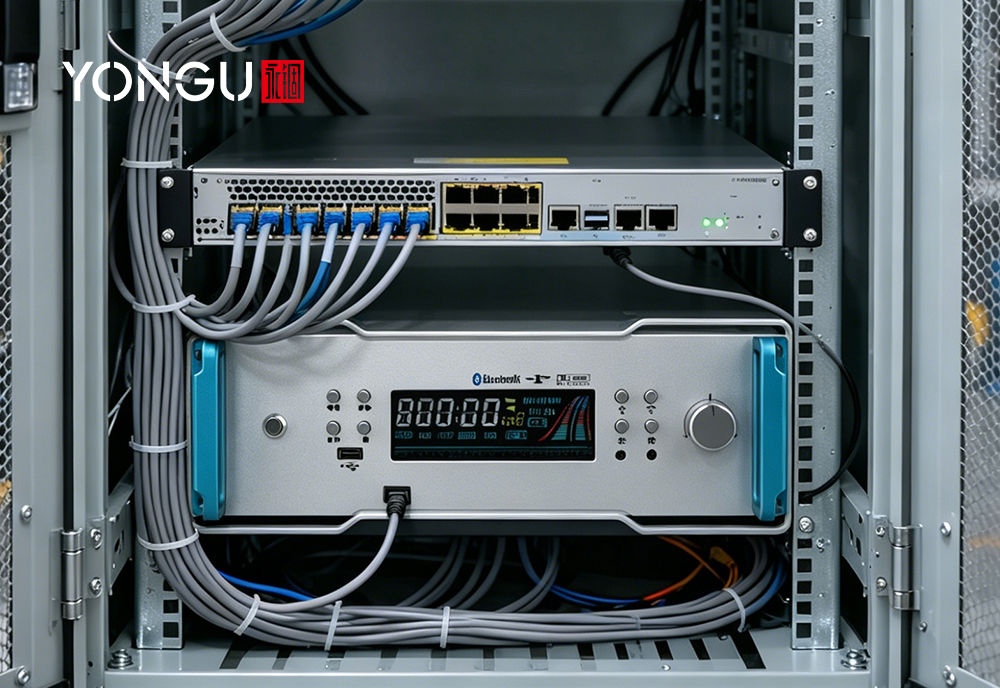
In the high-stakes world of industrial automation, unplanned downtime is catastrophic. Hardware engineers often spend thousands of hours perfecting the PCB layout, microcontrollers, and software algorithms of a motor drive or a PLC system. Yet, all this brilliant engineering can instantly fail on the factory floor. The root cause? A fundamentally flawed control box design.
When deployed near heavy manufacturing machinery, sensitive electronics face a continuous barrage of environmental threats. High-frequency physical vibrations can slowly fracture solder joints. Conductive metallic dust floating in the factory air can bypass weak seals to cause sudden short circuits. Most invisibly, aggressive electromagnetic interference (EMI) from high-voltage cables can corrupt critical data transmission. Overcoming these hazards requires shifting focus from the internal PCB to the external mechanical defense.
Core Pillars of Electronic Enclosure Structure
To ensure failure-free operation in harsh environments, your electronic enclosure structure must be built upon three critical engineering standards:
- Structural Rigidity: Industrial environments require housings that can withstand severe mechanical impact. The material must provide high tensile strength without adding excessive weight.
- Passive Thermal Management: Industrial controllers, relays, and power supplies operate under continuous loads, generating immense internal heat. The enclosure itself must act as a conductive heat sink, radiating temperatures outward without relying entirely on vulnerable cooling fans.
- EMI and RFI Shielding: To prevent data corruption, the housing must act as a Faraday cage. Metallic structures naturally block out high-frequency electrical noise that plagues industrial assembly lines.
Material Comparison for Industrial Housings
| Material Type | Mechanical Rigidity | EMI Shielding | Thermal Conductivity | Best Application |
|---|---|---|---|---|
| Polycarbonate (Plastic) | Low to Medium | None (Requires internal coating) | Poor (Acts as an insulator) | Basic indoor junction boxes |
| Standard Sheet Metal | High | Good | Moderate | Large, heavy electrical cabinets |
| Extruded Aluminum | Very High | Excellent | Exceptional (~205 W/m·K) | High-density Control Boxes & Instruments |
Solving the Complex Assembly Scenario
Imagine you are developing a next-generation variable frequency drive (VFD) or a highly precise centralized testing instrument for an automotive assembly line. You require an enclosure that offers supreme EMI protection and thermal dispersion. However, you also face a practical assembly challenge: the internal wiring is incredibly dense. A standard, sealed one-piece metal box will make the initial assembly and future factory-floor maintenance an absolute nightmare. Furthermore, generic boxes lack the exact mounting standoffs and custom I/O cutouts required for your proprietary hardware.
This exact scenario is where precision engineering transforms your workflow. By utilizing a high-performance industrial control enclosure, such as the YONGU F06-365-132.6mm Electrical Equipment Enclosure, engineers resolve both protection and assembly issues simultaneously. Crafted from premium aluminum alloy, this specific housing features an intelligent split-body design. This structure allows technicians to completely open the unit, granting 360-degree access to the internal circuitry during installation and routine maintenance.
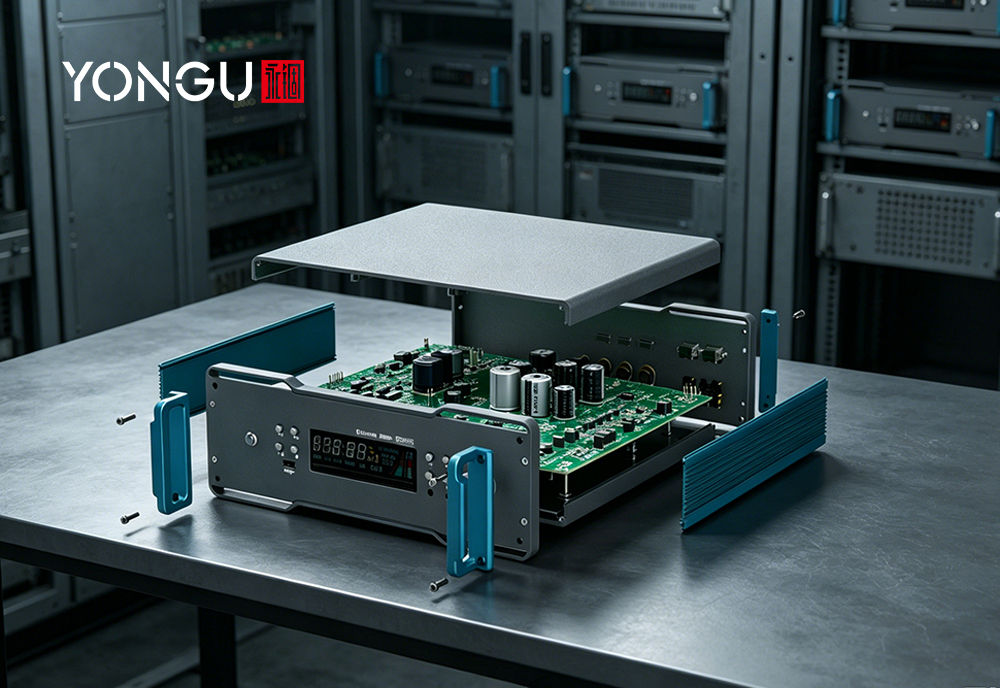
Most importantly, YONGU delivers unmatched CNC custom manufacturing. This ensures that every complex ventilation slot, exact mounting hole, and precise connector cutout is factory-milled to your exact CAD specifications. You completely eliminate error-prone manual drilling, drastically reduce assembly times, and ensure your advanced control hardware fits flawlessly every single time.
Frequently Asked Questions (FAQ)
1. Why is extruded aluminum preferred for an industrial control enclosure?
Extruded aluminum provides an unmatched balance of lightweight structural rigidity, natural EMI shielding, and exceptional heat dissipation, making it the ideal material for a reliable industrial control enclosure operating in heavy-duty environments.
2. What is the biggest mistake made in control box design?
A critical mistake in control box design is overlooking ease of maintenance. Using a monolithic, hard-to-open enclosure slows down assembly and makes field repairs extremely difficult. Opting for a split-body or modular chassis vastly improves operational efficiency.
3. How does the electronic enclosure structure impact system longevity?
The electronic enclosure structure directly dictates how well internal heat is managed and how effectively the system is insulated from external vibrations and electrical noise. A rigid, thermally conductive structure prevents internal components from overheating and degrading over time.
Elevate Your Industrial Automation Today
Never let a poor structural layout compromise your advanced control systems. Protect your industrial electronics with housings engineered for extreme environments, seamless assembly, and perfect precision. Ready to optimize your custom hardware? Contact YONGU today to consult with our engineering specialists and discover how our fully customizable, split-body aluminum enclosures can revolutionize your next generation of control equipment!